Modern living
Spatial design essence
Curating atmosphere through interior architectural identity
Establishing a coherent ambiance begins with understanding the architectural bones. Whether enhancing a Victorian foyer or softening a brutalism loft, the goal is harmonizing historical context with contemporary furniture through deliberate aesthetic choices.

Minimalist Zen furniture
Reduction to essentials clears clutter. Sleek sofas and concealed cabinetry create serenity, emphasizing negative space over accessory excess for a Scandinavian-style retreat.

Bohemian textile techniques
Mixing tribal rugs and global artifacts tells a story. Rich textures like rattan chairs and macramé add warmth and relaxed informality to eclectic lounges.
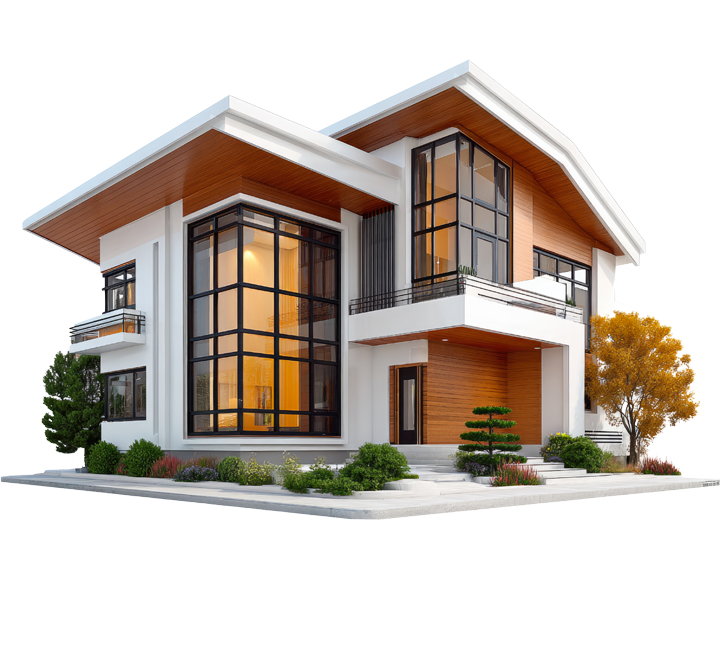

Industrial loft aesthetics
Exposed brick and ductwork celebrate structural honesty. Matte metal lighting paired with reclaimed timber tables offer rugged, authentic urban charm that ages beautifully.

Coastal decor elements
Pastel palettes and jute rugs mimic the seaside. Driftwood accents and linen sofas maximize brightness, evoking a permanent Hampton-style vacation feel in any climate.
Patio layout planning
Expanding interiors beyond the exterior walls
The terrace acts as a bridge between indoor comforts and the garden. Selecting weatherproof furniture ensures these areas remain functional alfresco dining hubs throughout variable seasons.
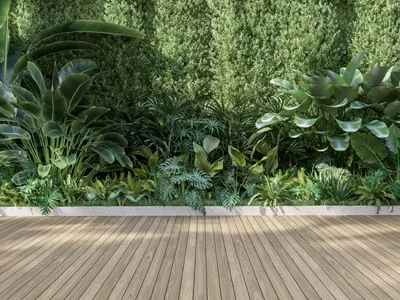
Durable composite decking
Polymer boards resist rot and insect damage. These low-maintenance planks mimic hardwood grain without the annual need for staining or waterproofing against moisture.
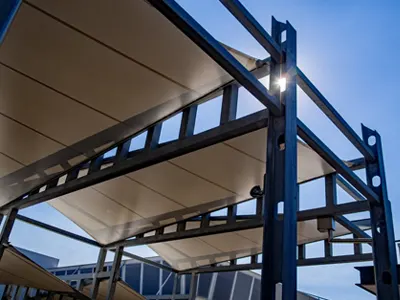
Overhead pergola systems
Bioclimatic pergolas with retractable canopies offer sun protection. Wisteria vines integrated into the lattice provide natural cooling and soften hardscaping lines effectively.
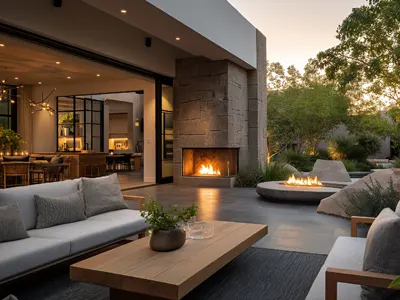
Ethanol fire pits
Gas fire tables extend outdoor usage into cooler months. They serve as a focal point, providing warmth and ambient lighting for evening socials.
Smart home automation
Streamlining routines with smart home automation
Tech-integrated luxury is defined by invisible IoT anticipating needs. Domotics manage complex functions, reducing energy waste and enhancing surveillance without intrusive hardware cluttering the design.
Circadian smart lighting

Human-centric LEDs adjust Kelvin temperature automatically. They mimic natural daylight patterns to support healthy circadian rhythms and boost focus.
Smart HVAC zoning

Motion sensors detect occupancy to adjust thermostats. This precision prevents heating empty spaces, significantly lowering energy costs while maximizing comfort.
Voice-controlled hubs
Connected hubs link devices effortlessly. Simple commands control motorized shades, media, and smart locks, creating a responsive environment that adapts instantly.
Pattern mixing guides
Mastering palettes and luxury textile applications
Velvet upholstery and wall finishes dictate the emotional resonance. Strategic layering of plush rugs adds acoustic dampening and tactile comfort to otherwise hard flooring surfaces.
Landscape architecture
Cultivating biodiversity and garden geometry
A thriving ecosystem supports ecology while framing the home. Thoughtful planting schedules ensure interest, utilizing evergreen hedges to maintain geometry when herbaceous borders go dormant.

Drought-tolerant gardens
Native flora thrives with minimal irrigation. These plants attract pollinators, bolstering local ecosystems and resisting regional pests naturally.

Living green walls
Modular trellises maximize green space in small yards. They act as effective natural privacy screens and improve air quality in dense metropolitan settings.

Seasonal soil aeration
Organic mulch protects roots from temperature shifts. Regular compost amendments improve drainage and nutrient retention, fostering vigorous root systems throughout the year.

Selecting designer furniture for visual impact
Modular sectionals anchor the layout, directing movement. Investing in artisanal craftsmanship ensures longevity, while decorative vases provide flexibility to update trends without renovations.


Home maintenance tips
Ensuring longevity through eco-friendly maintenance
Preserving property value involves proactive care. Utilizing biodegradable cleaners protects air quality, while regular inspections of roofing and thermal insulation prevent costly leaks and structural damage over time.