Blog
Interior decoration is far more than simply arranging furniture or choosing paint colors. It’s the art and science of creating environments that reflect your personality while serving your practical needs. Whether you’re moving into a new home, refreshing a single room, or contemplating a complete transformation, understanding the fundamental principles of decoration empowers you to make confident decisions that you’ll love for years to come.
This comprehensive resource introduces you to the essential pillars of interior decoration. From identifying your personal style to mastering color harmony, optimizing your space layout, and avoiding common pitfalls, you’ll discover the foundational knowledge that professional decorators use daily. Each section connects key concepts to help you develop a cohesive vision for your living spaces, making the decorating process less overwhelming and genuinely enjoyable.
Understanding Interior Decoration Styles
Identifying your preferred decoration style serves as the compass for every subsequent decision you’ll make. Think of it as choosing a language you’ll speak throughout your home. Without this foundation, you risk creating spaces that feel disjointed or lack personality.
The most enduring styles include modern, characterized by clean lines and minimal ornamentation; traditional, which embraces classic furniture and rich details; contemporary, reflecting current trends with flexibility; and transitional, which beautifully bridges modern and traditional elements. Beyond these, you’ll encounter bohemian styles celebrating eclecticism, industrial aesthetics showcasing raw materials, and Scandinavian design prioritizing simplicity and functionality.
Here’s a practical approach to discovering your style:
- Collect images of rooms that resonate with you, noting common elements
- Identify three adjectives describing your ideal space (calm, vibrant, sophisticated, cozy)
- Consider your lifestyle needs—families with young children may prioritize different features than couples or solo dwellers
- Test small elements before committing to large purchases
Remember that your style doesn’t need to fit perfectly into one category. Many beautifully decorated homes blend two or three complementary styles, creating unique environments that feel authentically personal rather than catalog-perfect.
Color Theory and Palette Selection
Color wields extraordinary power in shaping how a room feels. It can make small spaces appear larger, create warmth in cold rooms, or establish distinct moods in different areas of your home. Understanding basic color theory transforms what might seem like an intimidating choice into a logical, creative process.
The color wheel serves as your foundational tool. Complementary colors (opposites on the wheel, like blue and orange) create dynamic contrast, while analogous colors (neighbors on the wheel) produce harmonious, soothing effects. Monochromatic schemes use various shades of a single color for sophisticated simplicity.
Consider these proven strategies for palette selection:
- The 60-30-10 rule: Use your dominant color for 60% of the room, a secondary color for 30%, and an accent color for the remaining 10%
- Natural light consideration: North-facing rooms benefit from warm tones, while south-facing spaces can handle cooler colors
- Psychological impact: Blues and greens promote calmness (ideal for bedrooms), yellows energize (perfect for kitchens), while neutrals provide versatile foundations
- Sample testing: Always paint large swatches on multiple walls and observe them at different times of day before committing
Don’t underestimate the power of neutrals. Whites, grays, beiges, and taupes create timeless backdrops that allow you to refresh your space through accessories and textiles without repainting. A well-chosen neutral palette demonstrates sophistication and provides flexibility as your tastes evolve.
Space Planning and Layout Optimization
Even the most beautiful furniture and perfect color palette will disappoint if your space lacks functional flow. Space planning addresses how people move through and use rooms, ensuring that beauty and practicality coexist harmoniously.
Measuring and Proportions
Before purchasing any significant piece, measure your room comprehensively. Create a simple floor plan on graph paper or use free digital tools. This prevents the common mistake of falling in love with a sofa that overwhelms your living room. Furniture should be proportional to room size—oversized pieces make small rooms feel cramped, while furniture that’s too delicate disappears in large spaces.
Traffic Flow and Functionality
Maintain clear pathways of at least 30 inches for comfortable movement. Arrange furniture to facilitate conversation in living areas by creating intimate groupings rather than pushing everything against walls. In dining rooms, ensure at least 36 inches between the table edge and walls for chair movement. Bedrooms require accessible paths to closets and adequate clearance for door swings.
Focal Points and Balance
Every room benefits from a clear focal point—a fireplace, large window, artwork, or architectural feature. Arrange your furniture to complement rather than compete with this feature. Visual balance matters tremendously: if you place a heavy bookshelf on one side of a room, balance it with substantial furniture or a grouping of smaller pieces on the opposite side.
Personalizing Your Space with DIY Elements
Personal touches transform generic rooms into spaces that tell your unique story. DIY elements don’t require exceptional artistic talent; they simply need authenticity and intention. These customizations often become the most cherished aspects of your home.
Consider accessible personalization techniques that deliver significant visual impact:
- Gallery walls: Curate personal photographs, artwork, or meaningful objects in varied frame sizes for dynamic displays
- Textile layering: Mix throw pillows, blankets, and rugs in complementary patterns and textures
- Repurposed furniture: Update existing pieces with new hardware, paint, or reupholstery
- Natural elements: Incorporate plants, branches, stones, or driftwood to bring organic warmth
- Open shelving displays: Arrange books, collections, and decorative objects to reflect your interests
The key to successful DIY decoration lies in restraint. One thoughtfully executed project creates more impact than multiple rushed attempts. Start with smaller projects like updating lampshades or creating custom artwork before tackling furniture refinishing. Each completed project builds your skills and confidence for increasingly ambitious undertakings.
Common Decorating Mistakes to Avoid
Learning from widespread pitfalls saves time, money, and frustration. These mistakes appear across homes at every budget level, proving that successful decoration depends more on knowledge than financial investment.
The most frequent errors include:
- Incorrect rug sizing: Area rugs should be large enough for furniture front legs to rest on them, creating cohesive groupings rather than appearing like small islands
- Poor lighting layers: Relying solely on overhead lighting creates harsh shadows; combine ambient, task, and accent lighting for depth and flexibility
- Pushing furniture against walls: Floating furniture creates intimate conversation areas and makes rooms feel larger, not smaller
- Ignoring scale and proportion: Mixing furniture sizes creates visual interest, but extreme disparities feel awkward rather than intentional
- Decorating all at once: Spaces evolve organically; living with a room helps you understand its needs before making all decisions simultaneously
- Following trends blindly: Incorporate current elements sparingly through easily changeable accessories rather than permanent fixtures
Perhaps the most liberating realization is that decoration remains an ongoing journey rather than a destination. Your needs, preferences, and circumstances change over time, and your spaces should evolve accordingly. Approach decorating with patience and flexibility, knowing that adjustments and refinements form part of the natural process.
Armed with these foundational principles—understanding styles, mastering color, optimizing space, personalizing authentically, and avoiding common pitfalls—you’re prepared to approach any decorating project with clarity and confidence. The rooms you create will not only look beautiful but will genuinely enhance your daily life, reflecting who you are while supporting how you actually live.
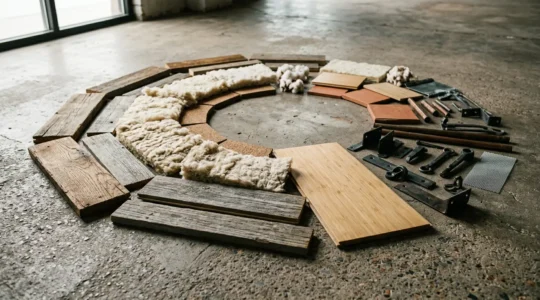
How to Calculate the True Carbon Footprint of Your Home Renovation: A Lifecycle Analysis
The true carbon footprint of your renovation isn’t measured in energy savings alone, but in the massive, often invisible, embodied carbon of the materials and processes you choose. Deconstructing your old kitchen instead of demolishing it can save metric tons…
Read more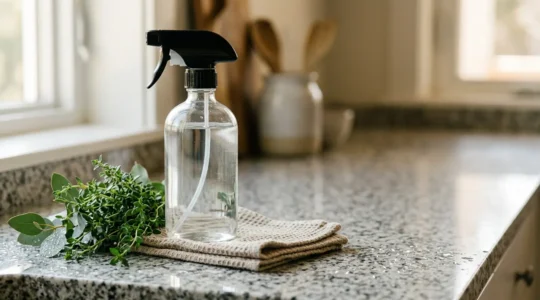
Do Biodegradable Cleaners Really Disinfect Kitchen Counters Effectively?
Contrary to popular belief, “biodegradable” does not automatically mean “disinfecting,” and many common DIY green cleaning hacks are chemically ineffective. The effectiveness of a cleaner depends on task-specific chemistry, not just its “natural” origin. Disinfection requires specific agents that are…
Read more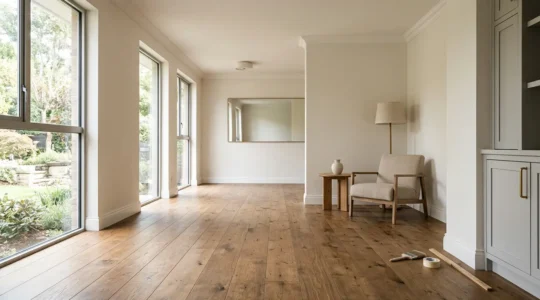
Which Decor Upgrades Actually Increase Property Value at Resale?
The highest resale value comes not from the most expensive upgrades, but from strategic, low-cost improvements that eliminate buyer objections and maximize perceived value. Minor, cosmetic updates like painting cabinets and replacing a front door consistently offer higher percentage returns…
Read more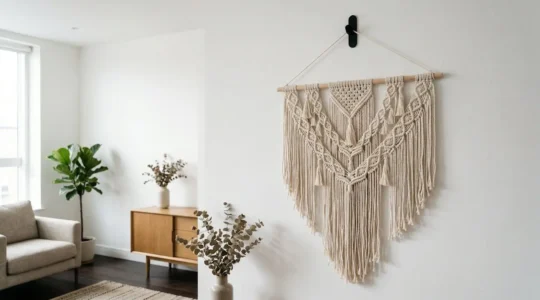
How to Hang Heavy Macramé Wall Art Without Damaging Drywall?
In summary: Stop searching for a single “magic hook”; the key is understanding weight distribution and leverage. Assess the macramé’s true weight (including plants and moisture) and structural integrity before hanging. Use toggle bolts for heavy items on drywall, as…
Read more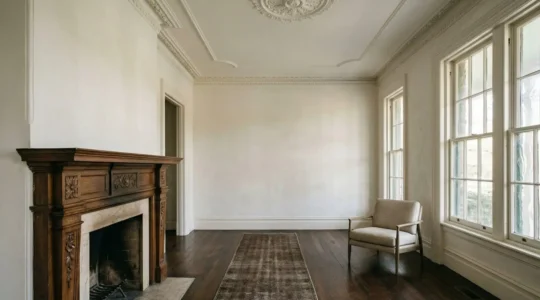
How to Modernize a Historic Home Without Destroying Its Character?
The key to a successful heritage renovation isn’t a battle between old and new, but a masterclass in translating the original design’s core principles into a modern context. Ignoring your home’s structural logic is the single fastest way to inflate…
Read more