Exterior & Patio Decor
Transforming your outdoor space into a welcoming extension of your home requires more than just placing a few chairs on the patio. Exterior and patio decor encompasses a thoughtful blend of functional furniture, carefully chosen accessories, and design elements that withstand the elements while reflecting your personal style. Whether you’re working with a sprawling backyard deck, a cozy balcony, or a charming courtyard, understanding the fundamentals of outdoor decorating empowers you to create spaces where memories are made.
The beauty of outdoor decor lies in its versatility and the unique challenges it presents. Unlike interior spaces, your patio must balance aesthetic appeal with practical durability, requiring materials and pieces specifically designed to endure sun exposure, moisture, and temperature fluctuations. This comprehensive resource will walk you through the essential components of exterior decor, from selecting the right furniture to choosing decorative elements that bring personality to your outdoor retreat.
Understanding Your Outdoor Living Space
Before selecting furniture or accessories, assessing your specific outdoor environment sets the foundation for successful decorating. Different spaces present distinct opportunities and constraints that influence every design decision you’ll make.
Types of Outdoor Areas and Their Characteristics
Patios, decks, balconies, porches, and garden areas each have unique architectural features. A covered patio offers protection from direct sun and rain, allowing for a broader range of fabric choices and decorative elements. Exposed decks require more weather-resistant materials and secure placement of accessories. Balconies often have weight restrictions and smaller footprints, demanding compact, multifunctional pieces. Recognizing these distinctions helps you choose appropriate decor that thrives in your specific setting.
Climate Considerations for Decor Selection
Your local climate dramatically affects which materials and styles will serve you best. Coastal areas with salt air demand rust-resistant metals like aluminum or powder-coated steel. Regions with intense sun exposure benefit from UV-resistant fabrics that won’t fade quickly. Areas experiencing freezing temperatures require materials that can contract and expand without cracking. Think of climate compatibility as selecting the right wardrobe—you wouldn’t wear summer linens in a snowstorm, and similarly, your outdoor decor needs proper “clothing” for its environment.
Measuring and Planning Your Layout
Accurate measurements prevent common frustrations like oversized furniture that overwhelms a space or inadequate seating for gatherings. Create a simple floor plan noting dimensions, architectural features like built-in planters or steps, and traffic flow patterns. Leave at least 24 to 36 inches of walking space around furniture groupings. This planning phase, while seemingly mundane, saves considerable time and expense by ensuring every piece fits harmoniously before purchase.
Essential Furniture and Seating Options
Outdoor furniture forms the backbone of your patio decor, providing both function and setting the stylistic tone for the entire space. Quality pieces designed for exterior use represent an investment that pays dividends in comfort and longevity.
Dining Sets and Tables
Outdoor dining furniture ranges from intimate bistro sets for two to expansive tables seating eight or more. Consider how you’ll primarily use the space—daily meals, occasional entertaining, or both. Extendable tables offer flexibility for varying guest counts. Materials like teak, eucalyptus, aluminum, and all-weather wicker each bring different aesthetics and maintenance requirements. Pair your table with comfortable chairs that encourage lingering over conversation long after the meal ends.
Lounge Seating and Conversation Areas
Sofas, sectionals, and lounge chairs create inviting areas for relaxation. Deep seating with plush cushions mimics the comfort of indoor furniture while featuring quick-drying foam and water-resistant covers. Arrange seating in a U-shape or facing configuration to facilitate conversation. Add an outdoor coffee table or side tables within arm’s reach for beverages and books. These gathering spaces become the heart of outdoor entertaining and quiet evening retreats alike.
Accent Pieces and Versatile Options
Ottomans, benches, and stools serve multiple purposes—extra seating when guests arrive, footrests for lounging, or even side tables when topped with a tray. Stackable or folding chairs provide backup seating without consuming precious storage space. Hammocks and hanging chairs add playful elements while maximizing floor space. These versatile pieces adapt to your changing needs throughout seasons and occasions.
Decorative Elements That Transform Spaces
Once functional furniture is in place, decorative accessories infuse personality and visual interest into your outdoor room. These finishing touches differentiate a merely functional patio from a truly inviting outdoor sanctuary.
Planters and Greenery
Plants breathe life into patios, softening hard surfaces and connecting the space to nature. Container gardens offer flexibility—rearrange pots seasonally, move tender plants indoors during cold months, or experiment with different heights and textures. Choose planters that complement your overall design scheme, from sleek modern ceramics to rustic wooden boxes. Consider vertical gardens or wall-mounted planters for small spaces. Layer different plant heights, combining trailing vines, mid-height perennials, and tall grasses or small shrubs for dimensional interest.
Outdoor Rugs and Textiles
Outdoor rugs define seating and dining zones while adding color and pattern underfoot. Modern outdoor rugs are woven from polypropylene or recycled plastic fibers that resist moisture, mildew, and fading. These textiles anchor furniture groupings visually and provide comfort on hard patio surfaces. Coordinate rugs with cushion fabrics and throw pillows to create a cohesive color story. Think of outdoor textiles as you would interior ones—they’re an accessible way to refresh your space seasonally without major investment.
Art and Wall Decor
Exterior walls needn’t remain bare. Weather-resistant art pieces, mirrors, and decorative screens add vertical interest. Metal sculptures, ceramic wall plaques, and outdoor-safe mirrors (often made from acrylic rather than glass) withstand the elements. These pieces draw the eye upward, making spaces feel larger and more finished. Consider hanging planters, wall-mounted fountains, or decorative shutters that add architectural detail to plain surfaces.
Materials and Weather Resistance
Understanding outdoor materials empowers you to make informed choices that balance aesthetics, budget, and maintenance requirements. Each material brings distinct advantages and considerations.
Teak and hardwoods develop a beautiful silver patina when left untreated, or maintain their rich color with annual sealing. These woods contain natural oils that resist rot and insects. Aluminum frames won’t rust and remain lightweight for easy rearrangement. All-weather wicker, typically made from resin, mimics natural wicker’s appearance while standing up to moisture. Powder-coated steel offers durability at moderate price points but requires inspection for coating chips that could lead to rust.
For fabrics and cushions, solution-dyed acrylic fibers resist fading far better than conventional fabrics. Water-resistant doesn’t mean waterproof—most outdoor cushions benefit from covered storage during extended rain or when not in use for weeks. Quick-drying foam cores prevent the musty smell and mildew that plague traditional cushion materials. These technical innovations mean outdoor comfort no longer requires constant vigilance or immediate cushion retrieval at the first raindrop.
Stone, concrete, and ceramic planters handle freeze-thaw cycles better when labeled as frost-resistant. Lightweight fiberglass or resin planters convincingly mimic heavier materials while being easier to move and less prone to cracking. Understanding these material properties helps you select pieces that will look beautiful season after season rather than deteriorating after one summer.
Creating Ambiance with Lighting and Accessories
As daylight fades, thoughtful lighting extends the usability of your outdoor space while creating magical evening atmospheres. Layering different light sources achieves both functionality and mood.
Lighting Options for Every Need
String lights draped overhead cast a warm, festive glow perfect for entertaining. Lanterns—whether traditional candle-lit or modern LED versions—provide portable lighting you can cluster on tables or hang from shepherds’ hooks. Path lighting illuminates walkways for safety while highlighting landscape features. Solar-powered options eliminate wiring concerns and reduce energy costs. Table lamps designed for outdoor use bring unexpected indoor elegance to patios. Consider dimmers or multiple lighting circuits to adjust brightness for different occasions, from bright task lighting for dining to soft ambient glow for late-night conversations.
Fire Features and Water Elements
Fire pits and outdoor fireplaces serve as natural gathering spots, providing warmth during cool evenings and mesmerizing focal points. Options range from portable propane fire bowls to built-in wood-burning structures. Water features—fountains, small ponds, or wall-mounted waterfalls—contribute soothing sounds that mask traffic noise and create tranquil environments. Both fire and water elements add sensory dimensions beyond the visual, engaging hearing and even smell (wood smoke, water-freshened air) to create truly immersive outdoor experiences.
Finishing Touches and Seasonal Updates
Small accessories complete your outdoor room: outdoor-safe candles and lanterns, decorative bowls, serving trays, and coordinated tableware for al fresco dining. Weather vanes, wind chimes, and garden stakes add movement and gentle sound. These elements are easily swapped seasonally—coastal themes for summer, rich autumn colors for fall, or holiday-specific decorations. This flexibility keeps your space feeling fresh without requiring complete redesigns, much like changing throw pillows refreshes an interior room.
Creating a beautiful, functional outdoor space is an evolving process rather than a single project. Start with quality foundational pieces—durable furniture and appropriate materials for your climate—then layer in decorative elements that reflect your personality. As you spend time in your exterior spaces, you’ll discover what works best for your lifestyle, whether that’s prioritizing dining areas for frequent entertaining or creating quiet reading nooks for personal retreats. The principles outlined here provide a framework, but your unique vision and how you actually live outdoors will ultimately shape a patio that truly feels like home.
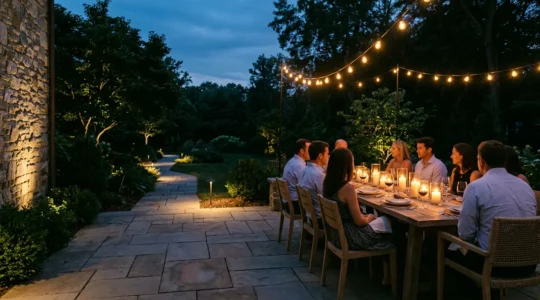
How to Layer Ambient Lighting for Outdoor Dinner Parties?
The secret to a magical outdoor party isn’t the brightness of your lights, but the depth you create by designing in three distinct vertical layers. The human-height layer (table lanterns, wall sconces) is the most critical for creating intimacy and…
Read more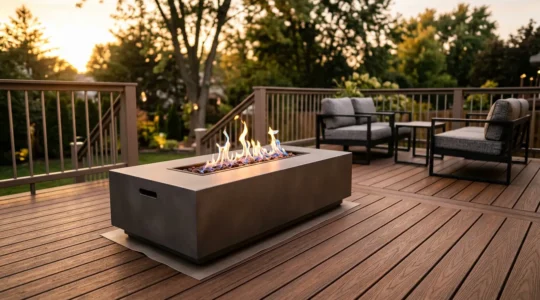
Gas Fire Table Safety: How to Place It on a Composite Deck?
Operating a gas fire table on composite decking is not a casual act; it is a matter of strict regulatory compliance and understanding material science to prevent catastrophic failure. The primary risk is not open flame but prolonged, concentrated heat…
Read more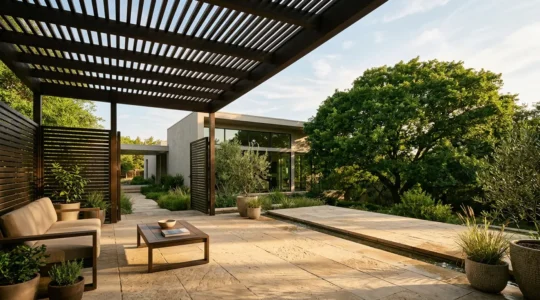
How to Lower Your Patio Temperature by 10 Degrees Without a Fan?
The key to a cooler patio isn’t adding fans, but mastering the science of thermal management by strategically manipulating your environment’s physics. Shade from trees and structures provides cooling far beyond simple sun blocking through processes like evapotranspiration. Material choice…
Read more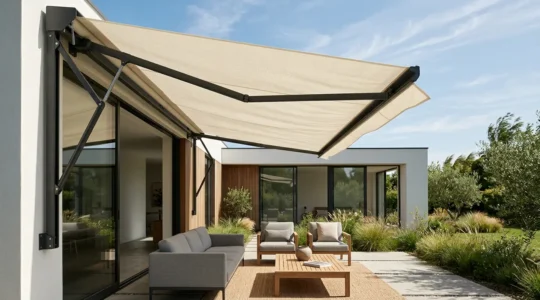
Manual vs. Motorized Canopies: An Engineer’s Guide for Windy Locations
For windy locations, motorized canopies with automated wind sensors offer superior structural protection over manual systems. The core advantage is not convenience, but automated stress mitigation that preemptively retracts the canopy during high wind loads, preventing mechanical failure. Manual systems…
Read more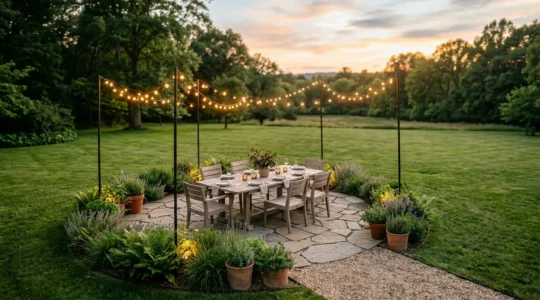
How to Zone an Outdoor Dining Area for Intimacy in a Large Yard?
Creating intimacy in a large yard isn’t about adding objects; it’s about defining a “room without walls” through sensory design. Define the zone with proper clearance for seating and a distinct “Social Flow Zone” for movement. Layer warm, low-level lighting…
Read more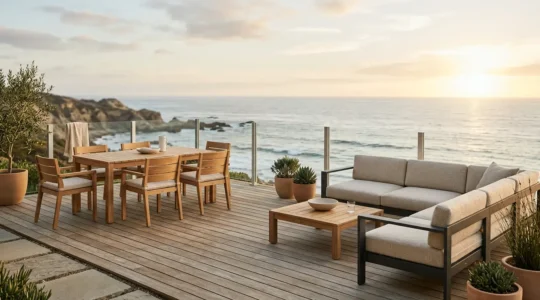
Teak vs. Aluminum: Which Weatherproof Material Lasts Longer in Coastal Climates?
The debate between teak and aluminum misses the most critical factor for coastal durability: the performance of the entire material ecosystem, not just the frame. Secondary failure points, like powder coatings on aluminum and the quality of wicker resin, often…
Read more