Furniture & Accessories
Transforming a house into a home requires more than just four walls and a roof. The furniture you select and the accessories you display define not only how a space functions, but also how it feels. Whether you’re furnishing your first apartment or reimagining a long-established room, understanding the relationship between foundational furniture pieces and decorative accessories is essential to creating environments that are both beautiful and livable.
Yet many people approach decorating as a series of isolated purchases rather than a cohesive design journey. The result? Rooms that feel disjointed, budgets stretched on pieces that don’t serve their purpose, and accessories that collect dust rather than elevate the space. This comprehensive resource will walk you through the fundamental categories, help you understand quality and materials, and provide practical frameworks for making confident decisions that reflect your personal style while maximizing both function and visual appeal.
Understanding the Core Categories
Before diving into specific styles or trends, it’s crucial to distinguish between the two main components that shape any interior space. Think of furniture as the skeleton of your room and accessories as the personality traits that make it uniquely yours.
Essential Furniture Types
Furniture serves as the functional backbone of your home. These are the anchor pieces that define how you use each room. In living areas, this includes sofas, coffee tables, and media consoles. Dining spaces revolve around tables and seating, while bedrooms center on beds, dressers, and nightstands. Home offices require desks and storage solutions.
Each piece should be selected based on three primary considerations: the room’s dimensions, the activities it will support, and the traffic flow it must accommodate. A sectional sofa might be perfect for a spacious family room but overwhelming in a compact apartment. Similarly, a delicate writing desk serves a different purpose than a robust workstation designed for dual monitors and extended work sessions.
Decorative Accessories Explained
Accessories encompass everything from throw pillows and area rugs to artwork, vases, candles, mirrors, and decorative objects. These elements introduce texture, color, and personal narrative into your spaces. Unlike furniture, accessories are typically more affordable and easier to change, making them ideal for seasonal refreshes or evolving tastes.
The golden rule? Accessories should enhance, not clutter. A common mistake is treating surfaces as display competitions. Instead, curate thoughtfully. Group items in odd numbers (three or five objects often create more visual interest than pairs), vary heights for dimension, and leave negative space to let each piece breathe.
The Bridge Between Function and Decoration
Some items blur the line beautifully. Decorative storage baskets organize while adding texture. An ornate mirror serves a practical purpose while expanding visual space. Table lamps provide necessary lighting and act as sculptural elements. Recognizing these dual-purpose pieces allows you to maximize both utility and aesthetics without overcrowding your rooms.
Choosing the Right Materials and Quality
The materials you select dramatically impact longevity, maintenance requirements, and overall aesthetic. Understanding the trade-offs helps you make informed investments that align with your lifestyle and priorities.
For furniture, solid wood remains the gold standard for durability and timeless appeal, though it comes with a higher price point and sensitivity to humidity. Engineered wood and MDF offer budget-friendly alternatives suitable for pieces that won’t endure heavy use. Upholstered furniture introduces additional considerations: natural fabrics like linen and cotton breathe beautifully but may stain more easily than synthetic performance fabrics designed for high-traffic households or homes with pets and children.
Metal furniture—whether wrought iron, steel, or aluminum—brings industrial elegance and exceptional durability, particularly for outdoor spaces or contemporary interiors. Glass elements create visual lightness and work wonderfully in smaller rooms where you want to maintain sightlines, though they require regular cleaning and careful placement in active households.
For accessories, the material choices are equally diverse. Ceramic and porcelain vases offer classic sophistication, while woven textiles introduce warmth and tactile interest. When evaluating quality, examine construction details: even stitching on pillows, smooth finishes on wood objects, and sturdy hardware on decorative boxes all signal pieces that will age gracefully rather than deteriorate quickly.
Style Harmony: Coordinating Furniture and Accessories
Creating a cohesive interior doesn’t mean everything must match perfectly—in fact, overly matched rooms often feel sterile and showroom-like rather than lived-in. The goal is intentional coordination that allows different pieces to converse harmoniously.
Establishing Your Style Foundation
Begin by identifying your dominant style preference. Modern interiors favor clean lines, minimal ornamentation, and neutral palettes with strategic color accents. Traditional spaces embrace symmetry, rich woods, and classic patterns like damask or toile. Transitional design bridges these extremes, combining the comfort of traditional forms with the simplicity of modern aesthetics.
Contemporary styles reflect current trends and often incorporate mixed materials and bold statements, while bohemian approaches celebrate eclecticism through global textiles, layered patterns, and collected objects. Scandinavian design prioritizes functionality, natural materials, and understated elegance. Understanding these frameworks gives you a vocabulary for articulating your preferences and making consistent choices.
The 80/20 Rule for Visual Balance
A practical approach: let 80% of your major furniture establish your style foundation, then use the remaining 20%—along with accessories—to introduce personality and experimentation. This might mean choosing a neutral sofa and dining set (the 80%) while expressing creativity through colorful accent chairs, patterned pillows, and distinctive artwork (the 20%).
This ratio creates visual stability while preventing monotony. It also provides flexibility as your tastes evolve. Swapping accessories is significantly easier and more affordable than replacing core furniture pieces, allowing your space to grow with you without requiring complete overhauls.
How Do You Maximize Function and Aesthetics?
The most successful interiors don’t sacrifice practicality for beauty—they achieve both simultaneously through thoughtful planning and strategic placement.
Start by mapping your room’s functional zones. A living room might include a conversation area, a reading nook, and a media-watching zone. Each requires appropriate furniture scaled to its purpose. The conversation area needs seating arranged to facilitate eye contact (typically no more than 8-10 feet apart). The reading nook benefits from a comfortable chair with proper lighting and a side table for books and beverages.
Traffic flow deserves equal attention. Maintain pathways at least 30-36 inches wide to allow comfortable movement. In dining areas, ensure at least 36-48 inches between the table edge and walls or other furniture so chairs can be pulled out without obstacles. These measurements prevent the cramped feeling that undermines even beautifully decorated spaces.
Accessories enhance function when placed intentionally. A decorative tray on an ottoman transforms it into an impromptu coffee table. Stylish baskets tucked beside sofas corral throws and magazines. Mirrors positioned opposite windows amplify natural light while serving as artistic focal points. This is design working smarter, not harder.
Making Smart Investment Decisions
Decorating on any budget requires prioritization. Not every piece deserves the same financial commitment, and understanding where to invest versus where to economize prevents both overspending and regrettable compromises.
The investment hierarchy typically prioritizes pieces you use daily and those difficult to replace. Sofas, mattresses, and dining tables fall into this category—these should receive the bulk of your budget because quality directly impacts comfort and longevity. A well-constructed sofa can serve you for 15-20 years, making a higher upfront cost economically sound compared to replacing a cheaper version every few years.
Conversely, trendy accessories and decorative accents are prime candidates for budget-friendly options. That geometric vase or velvet pillow in this season’s trending color? You’ll likely want to refresh it as your tastes evolve anyway, so there’s little advantage to premium pricing. Retailers specializing in home accessories often offer stylish options at accessible price points.
Consider the cost-per-use calculation. A beautiful statement lamp in your bedroom that you see and use daily for years justifies a higher investment than a decorative bowl in a guest room used occasionally. This framework helps you allocate resources where they’ll deliver the most satisfaction and practical value.
The journey of furnishing and accessorizing your home is deeply personal and wonderfully ongoing. Armed with understanding of core categories, material considerations, style coordination principles, and smart investment strategies, you’re equipped to make decisions that create spaces authentically reflecting who you are and how you live. Remember that rooms evolve organically—give yourself permission to experiment, adjust, and refine as you discover what truly makes your space feel like home.

Why Artisanal Furniture Costs 3x More But Saves Money Over 20 Years?
Artisanal furniture is not an expense; it’s a slow-depreciating asset with a lower Total Cost of Ownership (TCO) than its mass-produced counterparts. Cheap furniture requires multiple replacements over two decades, making its long-term cost higher. Superior construction, from joinery to…
Read more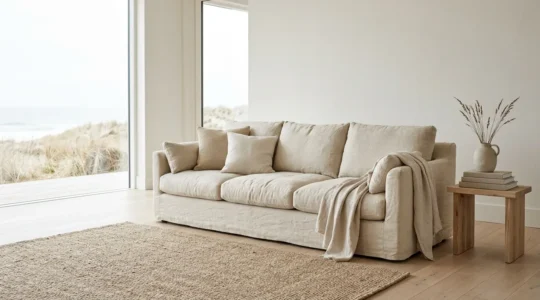
How to Stop a Linen Sofa From Wrinkling Immediately After Sitting?
The bad news is you can’t truly stop a 100% linen sofa from wrinkling—it’s inherent to the fiber. The good news is you can manage it to achieve an intentional, elegant look instead of a messy one. The tendency to…
Read more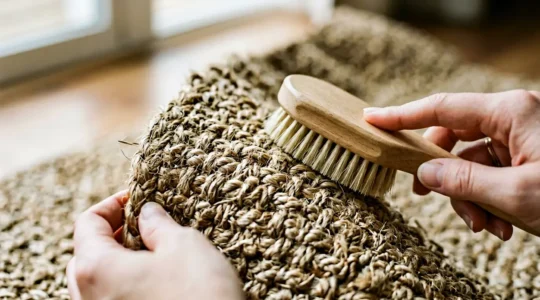
The Ultimate Guide to Natural Fiber Decor: From Jute Rugs to Linen Sofas
In summary: Natural fiber issues like shedding or wrinkling are manageable when you understand the material’s properties and choose the right construction for your needs. The biggest safety risk for hardwood floors comes from the chemical reaction of cheap rug…
Read more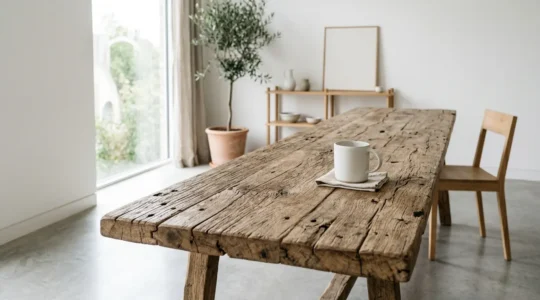
How to Protect a Reclaimed Wood Table From Water Rings and Stains?
Protecting a reclaimed wood table from family life isn’t about choosing the strongest surface sealant, but about a holistic approach that preserves its history while making it resilient from within. Verify the wood’s authenticity and inspect for hidden threats like…
Read more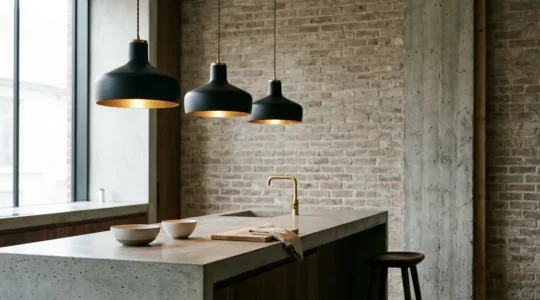
How to Mix Metal Finishes in Lighting Without Clashing?
Successfully mixing metal lighting fixtures isn’t about following a simple color rule; it’s about mastering a hierarchy of finish, function, and light. The properties of a finish (matte vs. gloss) dictate how it absorbs or reflects light, fundamentally changing a…
Read more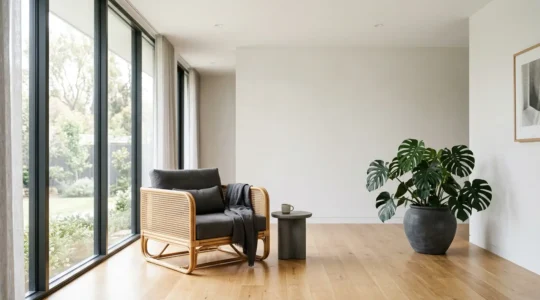
How to Style Rattan Furniture Indoors Without It Looking Like a Patio?
The secret to chic indoor rattan is not about adding accessories; it’s about elevating the material itself through an understanding of its quality, form, and context. Focus on material integrity—distinguishing high-quality, durable weaves from those that degrade quickly. Treat rattan…
Read more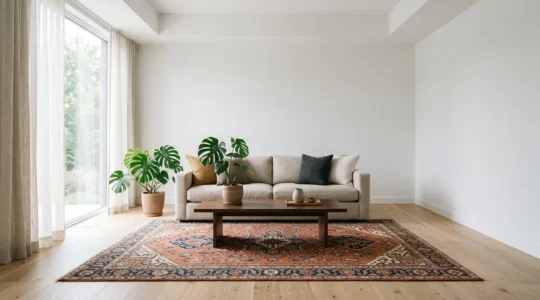
Fearless Decor: How to Style a Bold Tribal Rug in a Modern Living Room
Stop trying to match your bold tribal rug to your modern decor. The secret to a stunning, cohesive space isn’t matching colors, but creating a dialogue. Treat the rug as a historical artifact and your room as its gallery. This…
Read more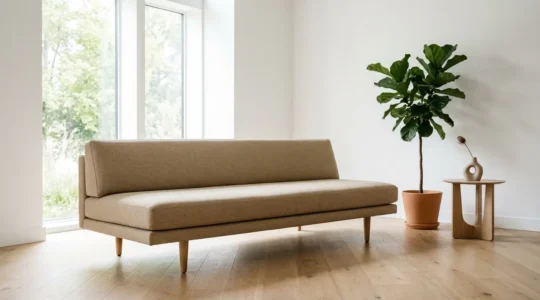
How to Choose a Low-Profile Sofa That Is Actually Comfortable?
The secret to a comfortable low-profile sofa isn’t just its cushion density; it’s creating a complete ergonomic ecosystem around it. True comfort blends physical support (structural integrity) with psychological ease (visual space and cleanliness). Materials and styling choices are not…
Read more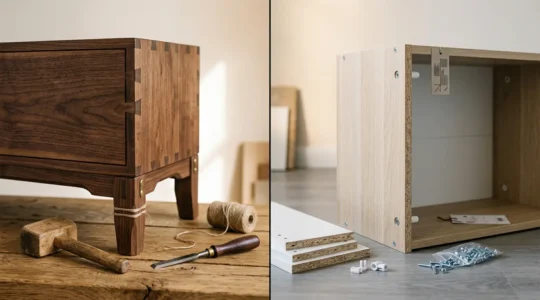
How to Spot a Future Classic and Avoid Fast Furniture Fads
The true value of furniture isn’t its price tag, but its “Value-Holding DNA”—the measurable quality that separates a lifelong asset from a disposable trend. Lasting quality is found in invisible details like frame weight and joinery, which are better predictors…
Read more