Interior Decor
Your home is more than just a physical shelter—it’s the backdrop to your daily life, influencing your mood, productivity, and overall sense of well-being. Interior decor transforms empty rooms into meaningful spaces that reflect who you are while serving your practical needs. Whether you’re starting from scratch in a new home or refreshing a single room, understanding the fundamental principles of interior decoration empowers you to create environments that truly work for you.
Interior decor encompasses far more than choosing pretty objects or following trending color palettes. It’s the thoughtful orchestration of color, light, furniture, textures, and personal touches into a cohesive whole. This article will guide you through the essential elements that form the foundation of successful interior decoration, from understanding how colors affect perception to arranging furniture for optimal flow, helping you build the knowledge needed to approach any decorating project with confidence.
Understanding Color and Light in Your Space
Color and light work together as the foundation of any interior, setting the emotional tone before a single piece of furniture enters the room. These two elements interact constantly—the same paint color can appear warm and inviting in morning sunlight, then cool and subdued under evening artificial lighting. Mastering their relationship is essential to creating the atmosphere you desire.
The Psychology of Color in Interior Spaces
Colors communicate on a subconscious level, influencing how we feel in a space. Warm tones like terracotta, golden yellow, and coral red create energy and intimacy, making large rooms feel cozier and stimulating conversation in social areas. Conversely, cool hues such as sage green, soft blue, and lavender promote calmness and concentration, which explains why they’re frequently chosen for bedrooms and home offices.
Think of your color palette as a recipe rather than a single ingredient. A successful scheme typically includes three layers: a dominant neutral that covers roughly 60% of the space (walls, large furniture), a secondary color at about 30% (upholstery, curtains, rugs), and accent colors in the remaining 10% (cushions, artwork, decorative objects). This 60-30-10 rule creates visual balance while preventing any single color from overwhelming the senses.
Harnessing Natural and Artificial Lighting
Light is the element that reveals everything else in your room, yet it’s often considered only as an afterthought. Natural light changes throughout the day, shifting from cool blue-toned morning light to warm golden afternoon rays. When planning your decor, observe how sunlight moves through your space at different times—a north-facing room receives consistent but cooler light, while south-facing spaces enjoy warm, abundant sunshine that can fade fabrics over time.
Artificial lighting should function in layers to accommodate different activities and moods. Combine three types: ambient lighting (overhead fixtures providing overall illumination), task lighting (focused light for reading, cooking, or working), and accent lighting (highlighting artwork, architectural features, or creating atmosphere). A living room might feature a central ceiling fixture, reading lamps beside seating areas, and picture lights over artwork—each serving a distinct purpose while contributing to the room’s overall ambiance.
Selecting and Arranging Furniture Effectively
Furniture serves as both the functional skeleton and visual anchor of your interior. The pieces you choose and how you position them determine whether a space feels spacious or cramped, inviting or awkward. Before purchasing anything, measure your room carefully and create a simple floor plan—even a rough sketch on paper prevents costly mistakes like buying a sofa too large for your doorway.
Scale and proportion matter more than matching styles perfectly. A common mistake is filling a spacious room with undersized furniture that floats awkwardly, or cramming oversized pieces into a small space. Your furniture should feel appropriate to the room’s dimensions—substantial enough to anchor the space without overwhelming it. In a generous living room, a sectional sofa and substantial coffee table create presence; in a compact apartment, a streamlined loveseat and nesting tables maintain breathing room.
Furniture arrangement directly impacts how people move through and use your space. Create clear traffic pathways of at least 30 inches between furniture pieces, allowing comfortable passage without awkward sideways shuffling. In conversation areas, position seating within 8 to 10 feet of each other—close enough for easy dialogue without shouting, far enough to avoid feeling crowded. Don’t automatically push all furniture against walls; floating a sofa away from the wall can actually make a room feel larger by defining distinct zones within an open space.
Layering Textures and Patterns for Visual Interest
If color provides emotional tone and furniture offers structure, texture and pattern add the depth and personality that transform a space from staged to lived-in. A room decorated entirely in smooth, flat surfaces—even with beautiful colors—feels sterile and uninviting. Layering various textures and thoughtfully mixing patterns creates visual richness that engages the eye and invites touch.
Mixing Textiles and Materials Successfully
Think of texture as the tactile dimension of your decor. Combining different material qualities—the nubby weave of linen curtains, the plush softness of velvet cushions, the smooth coolness of leather seating, the organic roughness of a jute rug—creates sensory variety that makes a space feel complete. Even in a monochromatic color scheme, varied textures prevent monotony.
The key to successful texture mixing is balancing rough with smooth, matte with sheen, heavy with light. Pair a chunky knit throw with sleek silk pillows, or contrast a rustic wooden coffee table against a refined upholstered sofa. This interplay creates visual dialogue between elements, where each texture enhances the others by contrast rather than competing for attention.
Working with Patterns Confidently
Many people shy away from patterns, fearing they’ll clash or overwhelm, but pattern mixing follows surprisingly straightforward principles. Start by varying the scale: combine a large-scale floral with a medium geometric and a small-scale stripe or dot. This variation in pattern size allows the eye to distinguish between designs rather than blurring into visual chaos.
Maintain cohesion by repeating at least one color across all your patterns. If your curtains feature navy and coral stripes, your throw pillows might incorporate those same colors in a different pattern—perhaps a coral ikat or navy botanical print. This color thread ties diverse patterns together into a unified scheme. When in doubt, use the 70-30 rule: 70% solids and subtle textures, 30% bolder patterns, ensuring pattern enhances rather than dominates your space.
Designing for Function and Flow
Beautiful interior decor that doesn’t support how you actually live becomes frustrating rather than fulfilling. Successful spaces balance aesthetic appeal with practical functionality, accommodating your daily routines and activities seamlessly. Before making any decorating decisions, honestly assess how you use each room—entertaining frequently, working from home, managing family chaos—and let those realities guide your choices.
Space planning begins with identifying your room’s primary purpose and secondary functions. A living room might serve primarily for relaxation but also host game nights and accommodate overnight guests. This multi-use reality suggests flexible furniture arrangements: perhaps a coffee table that lifts to dining height, storage ottomans that provide extra seating, or a sofa bed for guests. Each element serves multiple purposes without sacrificing style.
Creating distinct zones within open-plan spaces helps define different activities without building walls. Use furniture arrangement, area rugs, and lighting to establish boundaries. In a combined living-dining area, position your sofa with its back to the dining table, creating a psychological barrier between relaxation and eating zones. An area rug under the dining table and a different rug beneath the coffee table further reinforces this separation. Strategic placement of floor lamps or pendant lights above each zone strengthens the definition, allowing one large room to function as several purposeful areas.
Developing Your Personal Decorating Style
Beyond all the technical principles lies perhaps the most important aspect of interior decor: creating spaces that authentically reflect your personality and life. Decorating trends come and go, but a home that genuinely represents your tastes and experiences remains satisfying year after year. The goal isn’t perfection according to someone else’s standards—it’s creating an environment where you feel completely yourself.
Finding and Refining Your Aesthetic Inspiration
Your personal style already exists; it simply needs articulation. Start by collecting images of interiors that appeal to you without overthinking why. After gathering twenty or thirty examples, step back and look for patterns. Do you gravitate toward clean lines and minimal decoration, or layered, collected spaces? Are your chosen palettes predominantly neutral and calm, or rich and saturated? Do natural materials dominate, or do you prefer polished, contemporary finishes?
These patterns reveal your authentic aesthetic preferences. You might discover you love the warmth of traditional design but with simplified, less fussy execution—a blending of styles that’s uniquely yours. Or perhaps you’re drawn to modern minimalism softened with organic textures and greenery. There’s no requirement to fit perfectly into a named design style; the most interesting interiors often blend influences in unexpected ways that feel fresh and personal.
Staying True to Your Lifestyle
Authentic interior decor serves your real life, not an imagined one. If you have young children or pets, embrace durable, washable fabrics and forgiving surfaces rather than fighting against reality with impractical materials. If you’re an avid reader, prioritize ample lighting and comfortable seating over a formal living room that goes unused. If you travel frequently, incorporate meaningful souvenirs and textiles collected from your journeys—these personal treasures tell your story far more compellingly than generic decorative objects.
The most successful interiors evolve gradually rather than being completed overnight. Live with your space, observe what works and what frustrates you, then make thoughtful adjustments. Perhaps that accent chair looks beautiful but sits at an awkward angle for conversation. Maybe the gallery wall you envisioned feels too formal, but a casual leaning arrangement on a shelf captures the right relaxed vibe. Trust your instincts and be willing to experiment—interior decor is never truly finished but continuously refined as your life changes and your confidence grows.
Interior decor is ultimately about creating a personal sanctuary that supports your well-being and expresses your identity. By understanding how color and light establish mood, selecting and arranging furniture for both beauty and function, layering textures and patterns for visual depth, designing spaces that accommodate real-life activities, and staying true to your authentic style, you build the foundation for spaces that feel genuinely like home. Start with one room, apply these principles thoughtfully, and let your confidence expand alongside your skills—the most rewarding interiors emerge from this patient, intentional approach.
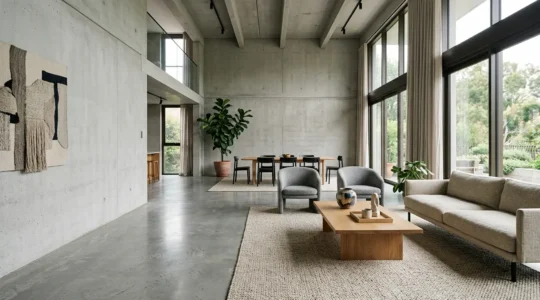
How to Dampen Sound in an Open-Plan House: An Architect’s Guide
In summary: Treat sound issues by integrating decor that absorbs, diffuses, or blocks noise, a practice known as sonic interior design. Focus on large surfaces: treat walls with artistic acoustic panels, windows with heavy drapes, and floors with high-performance underlayment….
Read more
High Pile Rugs: How to Remove Allergens From Deep Fibers?
The plush comfort of a high-pile rug often comes with a hidden cost: a constant battle with allergens. The common approach of aggressive cleaning and powerful vacuums frequently damages the fibers, ironically worsening the problem. This guide reveals that the…
Read more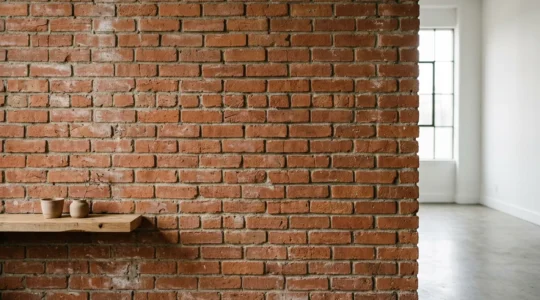
How to Seal Exposed Brick Walls to Stop Dust and Crumbling?
The persistent red dust from your exposed brick isn’t just a cleaning issue; it’s a sign of surface deterioration that generic sealers can worsen by trapping moisture. Effective sealing requires a “breathable” penetrating sealer (like a silane/siloxane) that consolidates the…
Read more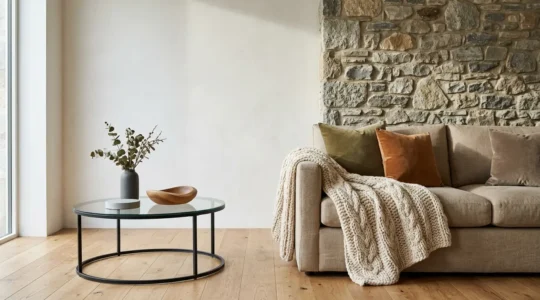
How to Add Warmth to a Sterile Room Using Only Texture?
Living in a sterile, white-box apartment doesn’t mean you’re condemned to a cold atmosphere. The solution isn’t just adding more things; it’s about understanding how texture manipulates light, sound, and touch. By strategically choosing materials based on their physical properties—like…
Read more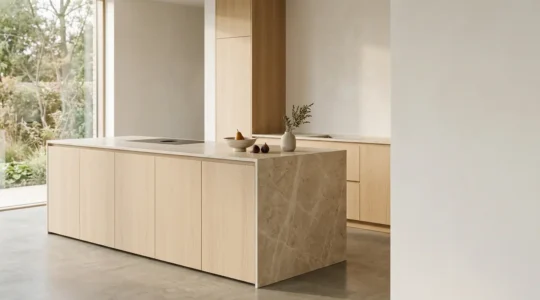
How to Design a Kitchen With Hidden Appliances for a Minimalist Look?
The key to a truly minimalist kitchen isn’t just hiding appliances; it’s engineering a seamless living space that eliminates visual and functional friction. Effective design prioritizes flawless integration and ergonomic foresight over simple concealment. Technical details like ventilation, hardware durability,…
Read more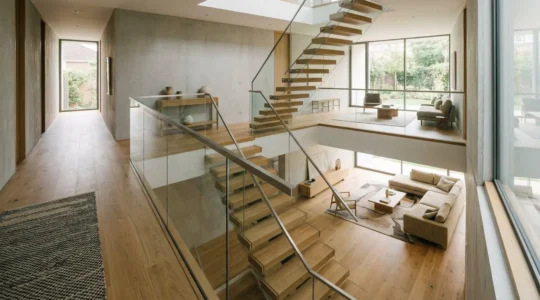
How to Create a Seamless Visual Flow in Your Multi-Story Home
The frustration of a home feeling like a collection of disconnected spaces, despite beautiful individual rooms, stems from a lack of visual flow. The solution lies not in simply matching colors but in mastering a deeper architectural concept: spatial rhythm….
Read more