Landscaping
Landscaping transforms outdoor spaces into extensions of your home, blending aesthetic beauty with functional living areas. Whether you’re looking at a blank canvas of bare soil or reimagining an established garden, understanding the core concepts of landscape design empowers you to create environments that reflect your personality while enhancing your property’s value and usability.
The journey from ordinary yard to extraordinary outdoor sanctuary involves more than simply planting a few shrubs. It requires thoughtful consideration of design principles, careful selection of both living and structural elements, and an understanding of how different styles can create distinct atmospheres. This comprehensive exploration covers everything from foundational design concepts to practical planning strategies, giving you the knowledge to approach your landscaping project with confidence and clarity.
Understanding the Fundamentals of Landscape Design
Great landscaping isn’t accidental—it’s built on timeless design principles that professionals use to create cohesive, visually pleasing outdoor spaces. Mastering these fundamentals helps you make intentional choices rather than random purchases at the garden center.
Balance and Proportion
Balance in landscaping refers to the visual weight distribution across your space. Symmetrical balance creates formal elegance through mirror-image plantings on either side of a central axis, perfect for traditional home styles. Conversely, asymmetrical balance achieves equilibrium through varied elements of similar visual weight, offering a more relaxed, contemporary feel. A large tree on one side might be balanced by a grouping of smaller shrubs and a boulder on the opposite side.
Proportion ensures elements relate appropriately to each other and to the overall space. A towering fountain might overwhelm a small courtyard, while tiny border plants disappear against a large building facade. The general rule suggests that foundation plantings should reach approximately two-thirds the height of the structure they’re complementing, though creative design sometimes intentionally breaks this guideline for dramatic effect.
Unity and Harmony
Unity ties disparate elements together into a cohesive whole. Achieve this through repetition—using the same plant species in multiple locations, repeating geometric shapes, or echoing colors throughout the design. A purple-flowering theme might thread through spring bulbs, summer perennials, and fall asters, creating visual continuity across seasons.
Harmony extends beyond repetition to include compatibility. Plants with similar water needs grouped together create practical harmony, while complementary textures—feathery grasses against broad hostas leaves—generate visual harmony. The most successful landscapes feel intentional rather than haphazard, as though every element belongs exactly where it’s placed.
Focal Points and Visual Interest
Every compelling landscape needs focal points—features that draw the eye and anchor attention. These might include specimen trees with distinctive bark or form, striking sculptures, elegant benches, or dramatic water features. Without focal points, landscapes feel flat and aimless; with too many, they become chaotic and confusing.
Strategic placement matters tremendously. Position focal points at the terminus of pathways, in sightlines from indoor living spaces, or at garden room transitions. Layer interest by ensuring something catches attention in every season—spring blossoms, summer foliage, autumn color, and winter structure or evergreen presence.
Essential Elements That Transform Outdoor Spaces
Successful landscaping combines multiple elements, each contributing distinct qualities to the overall composition. Understanding these building blocks helps you craft spaces that engage all the senses and serve multiple functions.
Softscaping: Plants and Living Features
Plants form the living heart of any landscape, providing color, texture, seasonal interest, and environmental benefits. Effective plant selection considers multiple factors:
- Climate compatibility: Choose species suited to your hardiness zone and microclimate conditions
- Mature size: That cute shrub may grow fifteen feet wide, overwhelming its intended space
- Maintenance requirements: High-maintenance specimens demand regular pruning, fertilizing, and pest management
- Seasonal performance: Combine plants with staggered bloom times and varied foliage for year-round appeal
- Wildlife value: Native plants support pollinators and beneficial insects while requiring less intervention
Layering creates depth and interest. Design in three tiers: canopy trees provide shade and vertical drama, understory shrubs fill middle heights with structure, and groundcovers and perennials carpet lower levels with texture and color. This mimics natural ecosystems while maximizing visual impact.
Hardscaping: Structures and Surfaces
Hardscaping encompasses the non-living structural elements that define spaces and provide functionality. These permanent features form the landscape’s bones, often representing the largest portion of project budgets.
Pathways guide movement and protect plantings from foot traffic. Materials range from formal cut stone and brick to casual gravel or decomposed granite, each creating different aesthetic moods. Patios and decks extend living space outdoors, with material choices—natural stone, concrete pavers, composite decking—influencing both appearance and longevity.
Retaining walls solve practical slope challenges while adding architectural interest. Fencing and screens define boundaries, provide privacy, and create backdrops for plantings. When selecting hardscaping materials, consider how they complement your home’s architecture—a rustic stone cottage pairs naturally with weathered flagstone, while sleek modern structures harmonize with clean concrete or metal accents.
Water Features and Lighting
Water adds mesmerizing movement and soothing sound to outdoor spaces. Options span from simple birdbaths and container fountains to elaborate ponds with waterfalls and streams. Even modest water features create focal points and attract wildlife, though larger installations require careful planning for pumps, filtration, and maintenance access.
Landscape lighting extends usability into evening hours while dramatically transforming nighttime aesthetics. Uplighting showcases specimen trees and architectural features, path lighting ensures safe navigation, and accent lighting highlights focal points or creates ambiance. Modern LED technology offers energy efficiency and longevity, with warm color temperatures (2700-3000K) creating inviting atmospheres that complement rather than overpower the natural setting.
Popular Landscaping Styles to Consider
Different landscaping styles evoke distinct moods and suit various architectural contexts. Understanding these approaches helps you articulate your vision and make cohesive design decisions.
Formal gardens emphasize symmetry, geometric shapes, and manicured precision. Clipped hedges, balanced plantings, and classical elements like urns or fountains characterize this timeless approach, perfect for traditional and colonial architecture. Cottage gardens embrace abundant, seemingly casual plantings with mixed perennials, self-sowing annuals, and climbing roses creating romantic, overflowing beds.
Modern landscapes feature clean lines, minimal plant palettes with architectural specimens, and hardscaping in neutral tones. Repetition of simple forms creates impact through restraint rather than abundance. Mediterranean styles incorporate drought-tolerant plants like lavender and olive trees, terracotta accents, and gravel surfaces that evoke sun-drenched coastal regions.
Native and naturalistic landscapes work with regional ecosystems rather than against them, using indigenous plants that thrive without extensive inputs. Prairie grasses, woodland wildflowers, or desert succulents create authentic regional character while supporting local wildlife. Tropical styles bring lush, bold foliage and vibrant colors, though they require appropriate climates or significant maintenance in cooler regions.
Your choice needn’t be absolute—many successful landscapes blend elements from multiple styles, creating personalized spaces that reflect individual preferences while respecting their setting and context.
Planning Your Landscape Project Successfully
Thoughtful planning prevents costly mistakes and ensures your finished landscape meets both practical needs and aesthetic desires. Taking time upfront to assess, plan, and budget yields far better results than impulsive installation.
Assessing Your Space and Needs
Begin with honest evaluation of your site conditions. Note sun and shade patterns throughout the day, observing how they shift seasonally. Identify drainage issues—where water pools after rain or where soil stays perpetually dry. Test your soil to understand pH and composition, as these factors dramatically influence plant selection.
Consider how you’ll actually use the space. Do you need play areas for children, entertaining zones for guests, quiet retreats for reading, or productive spaces for vegetable gardening? Different functions require different design approaches. Create a wish list, then prioritize ruthlessly—most landscapes evolve in phases rather than materializing complete overnight.
Budget Considerations
Landscaping costs vary enormously based on scope, materials, and whether you hire professionals or tackle projects yourself. As a general framework, many homeowners invest between 5-10% of their home’s value in landscaping, though this represents a guideline rather than a requirement.
Hardscaping typically consumes the largest budget portion—quality patios, retaining walls, and pathways involve materials and labor that add up quickly. Plants represent more modest investments individually, though quantities accumulate. Prioritize spending on permanent structural elements and mature specimens for key focal points, filling in with smaller plants that grow over time.
Phasing allows you to spread costs across multiple seasons. Start with essentials like grading, drainage, and primary hardscaping, then add plantings and refinements progressively. This approach also lets you live with the space before committing to every detail, often revealing better solutions than initial plans proposed.
Seasonal Planning
Timing impacts both project success and costs. Spring and fall offer ideal planting conditions in most climates—moderate temperatures and natural rainfall reduce transplant stress. However, these peak seasons often mean higher contractor costs and limited availability.
Summer installation challenges plants with heat stress but may offer better contractor pricing. Winter allows hardscaping projects in many regions without damaging dormant plants. Many experienced gardeners actually prefer fall planting for trees and shrubs—roots establish during cool months, giving plants a head start before summer heat arrives.
Consider bloom times and seasonal interest when selecting plants. A landscape stunning in May but dull the rest of the year disappoints. Distribute visual interest across seasons with spring bulbs, summer perennials, fall foliage, and evergreens or interesting bark for winter structure.
Maintaining Your Landscape for Long-Term Beauty
Installation marks the beginning rather than the end of the landscaping journey. Proper maintenance preserves your investment and allows the design to mature into its full potential.
Establishing healthy maintenance routines prevents small issues from becoming major problems. Regular weeding, especially during plants’ first years, reduces competition and keeps beds looking intentional. Mulching suppresses weeds, retains moisture, and moderates soil temperature—refresh organic mulches annually as they decompose, maintaining a 2-3 inch depth while keeping material away from plant stems to prevent rot.
Pruning shapes plants, removes damaged growth, and encourages flowering or fruiting. However, timing matters tremendously—spring-blooming shrubs set next year’s flowers shortly after this year’s fade, so pruning them in late winter removes the entire season’s display. Learn each plant’s specific needs rather than applying one-size-fits-all approaches.
Irrigation requirements change as landscapes mature. Newly installed plants need consistent moisture while establishing root systems, but overwatering kills more plants than underwatering once they’re established. Deep, infrequent watering encourages deep root growth and drought tolerance, while frequent shallow watering creates dependent, weak-rooted plants. Consider installing drip irrigation or soaker hoses for efficient, targeted water delivery that minimizes waste and disease pressure.
Seasonal maintenance follows natural rhythms—spring brings mulching, division, and pruning; summer requires deadheading and watering; fall invites planting and cleanup; winter allows planning and dormant pruning. Working with these cycles rather than fighting them creates sustainable landscapes that improve with age.
The most successful landscapes evolve continuously, responding to how plants mature, how your needs change, and what you learn through observation and experience. Embrace this evolution as part of the creative process—your landscape is a living artwork that grows more beautiful and more uniquely yours with each passing season. Whether you’re transforming a small urban courtyard or expansive suburban grounds, the principles and elements covered here provide the foundation for creating outdoor spaces that delight, function, and endure.
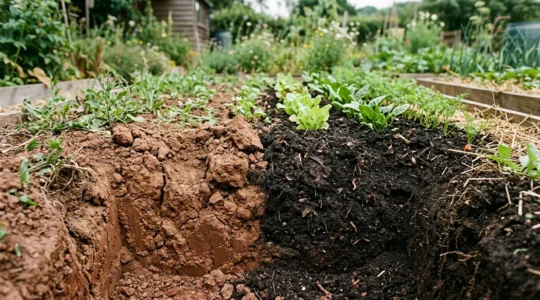
How to Amend Clay Soil With Compost for Better Drainage?
In summary: The secret to fixing clay isn’t just adding compost; it’s about creating the right fungal-dominant compost to build stable soil structure. Never till compost into clay soil. Instead, top-dress with compost and mulch to protect the vital soil…
Read more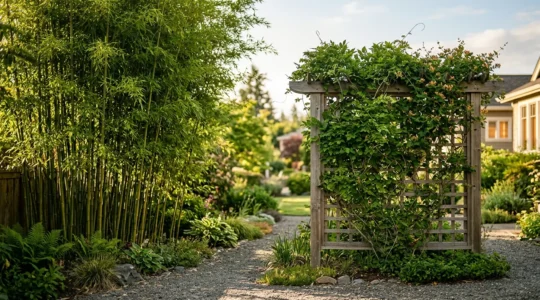
Bamboo vs. Trellis: Which Natural Screen Blocks Neighbors Faster?
The fastest privacy screen isn’t a single plant, but a structural system chosen for its specific ‘time-to-opacity’. Bamboo offers unrivaled vertical speed but demands serious engineering (containment) to prevent disaster. Vines on trellises provide predictable, year-over-year coverage, but only if…
Read more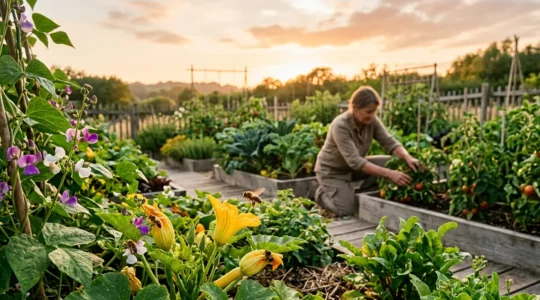
Attract Bees, Not Stings: A Parent’s Guide to a Safe Pollinator Garden
The secret to a vibrant, bee-friendly garden that’s safe for children isn’t just planting flowers—it’s designing a smart ecosystem that works with nature, not against it. Most DIY bee hotels can actually attract more wasps and invasive species than native…
Read more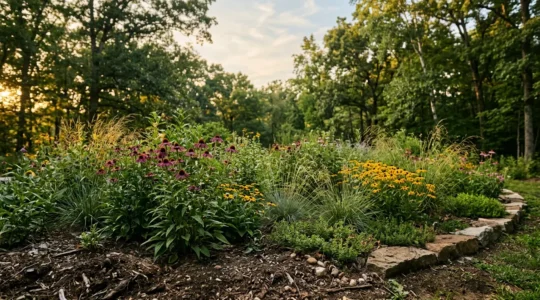
Why Native Flora Saves You 50 Hours of Gardening Per Year
The key to a low-maintenance yard isn’t working harder; it’s engineering a landscape system that runs itself by using native plants. Native plants develop deep root systems that tap into soil moisture, drastically reducing your need to water during droughts….
Read more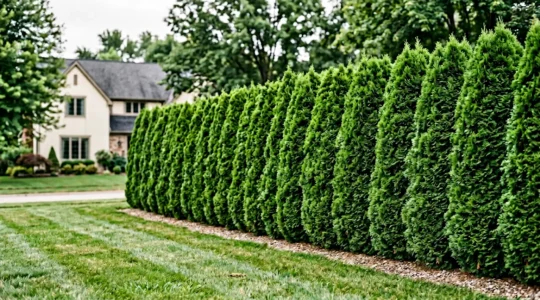
Fast-Growing Evergreen Hedges: Which Species Won’t Take Over Your Yard?
The secret to fast, lasting privacy isn’t choosing the fastest-growing hedge, but implementing a maintenance-aware strategy from day one. Aggressive growth often creates “maintenance debt”—future problems like bare bottoms, invasive roots, and constant trimming. Proper spacing and “architectural pruning” are…
Read more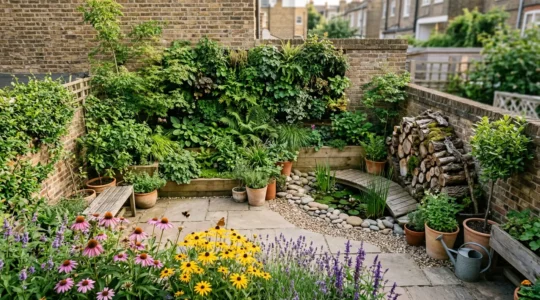
How to Create a Thriving Ecosystem in a 500 Sq Ft Urban Garden?
In summary: Stop thinking about adding individual “wildlife-friendly” items; start designing an interconnected, multi-layered habitat. Every square inch matters. Use vertical space, choose native plants, and build a healthy soil foundation to create a self-regulating system. A small, well-designed water…
Read more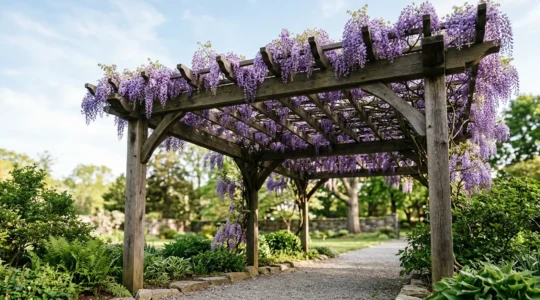
The Structural Engineer’s Guide to Training Wisteria on a Pergola
Training wisteria successfully is less about horticulture and more about managing its immense structural load over decades. Pruning is a biannual load-management task, not just an aesthetic trim, designed to control the vine’s powerful biomechanical force. A high-tensile wire-cable system…
Read more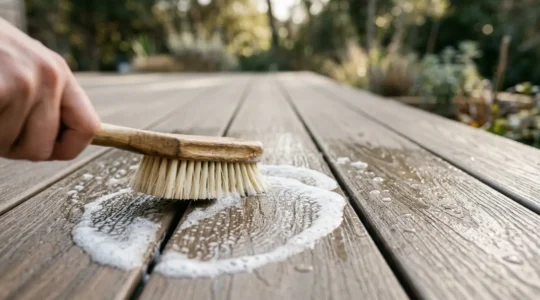
How to Clean Low-Maintenance Decking Without a Pressure Washer?
You chose composite decking for its low-maintenance promise, but now the fear of damaging its delicate surface with a pressure washer—or any cleaner—causes more stress than relaxation. The solution isn’t just finding a gentler cleaning method; it’s shifting your mindset…
Read more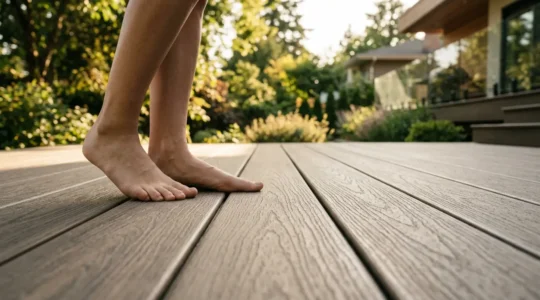
Composite vs. PVC Decking: Which Polymer Board Is Cooler on Bare Feet?
PVC decking is consistently cooler to the touch than composite, not just because of color, but due to its lower thermal capacity. PVC stores about half the heat of wood-composite materials, allowing it to cool down faster after being in…
Read more